
Blog
The Ultimate Guide to Solar Street Lights: Types, Benefits, and How to Choose (2026 Updated)

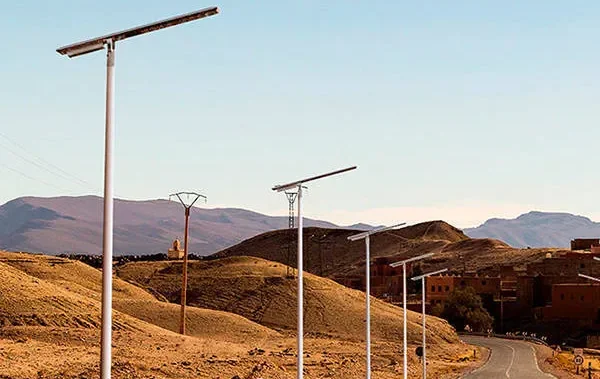
Solar street lights are revolutionizing outdoor illumination by harnessing renewable energy. Whether you are planning a municipal project or enhancing facility security, understanding the different types of solar lighting systems is crucial for maximizing ROI and sustainability.
Quick Links
-
How Solar Street Lights Work
-
Comparing 3 Main Types: Split vs. All-in-Two vs. All-in-One
-
Key Advantages of Solar Lighting
-
Wide Applications: Where to Use
1. How Solar Street Lights Work: The Core Components
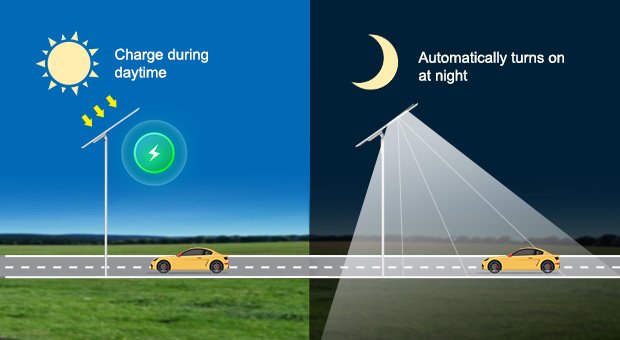
A solar street light is a self-sustained lighting system. It converts sunlight into DC electricity via Photovoltaic (PV) panels, which is regulated by a Charge Controller and stored in High-capacity Batteries (LiFePO4 or Lead-acid). At night, the Smart Control System triggers the LED Lamps to provide bright, energy-efficient illumination.
2. Choosing the Right Type: Split vs. Integrated
Depending on your project requirements, there are three primary configurations:
| Feature | Split Solar Lights | All-in-Two Lights | All-in-One (Integrated) |
| Best For | Heavy-duty/Industrial | Urban/High-performance | Residential/Quick projects |
| Battery Type | Lead-acid (Usually) | Lithium / LiFePO4 | Lithium / LiFePO4 |
| Installation | Complex (Wiring needed) | Moderate | Extremely Simple (Plug & Play) |
| Maintenance | Higher | Low | Minimal |
| Aesthetics | Functional | Sleek | Modern & Compact |
Key Takeaways:
-
Split Type: Offers the best customization. You can adjust the panel angle and battery size independently. Ideal for areas with low sunlight.
-
All-in-Two: The perfect balance. It combines the sleekness of integrated lights with the high energy density of LiFePO4 batteries, resisting thermal issues better.
-
All-in-One: The “King of Convenience.” It integrates everything (Panel, LED, Battery, Sensor) into one body. Features Motion Sensors to save energy during low-traffic hours.
3. Top 5 Advantages of Switching to Solar
-
Zero Electricity Bills: 100% powered by the sun, eliminating monthly utility costs.
-
Off-Grid Reliability: Operates independently of the power grid—perfect for remote areas or emergency lighting during power outages.
-
Eco-Friendly (ESG): Reduces carbon footprint and minimizes light pollution through smart dimming technology.
-
Low Maintenance: LED lifespans exceed 50,000 hours, and modern lithium batteries last for years without intervention.
-
Enhanced Security: Integrated sensors and consistent brightness deter intruders in parking lots and pathways.
4. Versatile Applications
Solar lighting isn’t just for highways. Its versatility makes it suitable for:
-
Public Infrastructure: Streets, bridges, and parking lots.
-
Commercial Areas: Corporate campuses, parks, and resorts.
-
Residential Use: Gardens, pathways, and private driveways.
-
Emergency & Remote: Construction sites, camping grounds, and off-grid villages.
Recently we just find its a new special use that make us touched. Please click and read below blog.
Conclusion: Investing in a Brighter Future
Choosing the right solar street light depends on your specific environment, budget, and lighting needs. While Split lights offer power, All-in-One systems offer unmatched ease of use.
Need a Quote for Your Project? Our experts can help you calculate the required wattage and battery capacity for your specific location. [Contact Us Today for a Free Consultation]