



Blog
6m vs 8m vs 10m Street Light Poles: Which One Is Best for Your Project?

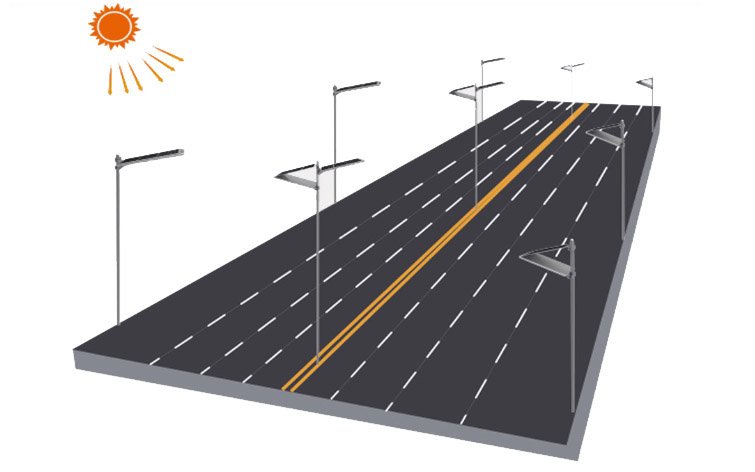
Should you choose a 6m, 8m, or 10m street light pole?
This decision directly affects:
-
Lighting coverage
-
Project cost
-
Installation difficulty
-
Long-term performance
Choose the wrong height, and you may end up with dark spots, wasted budget, or poor project results.
In this guide, we’ll break down the differences and help you choose the right option based on real project scenarios.
Quick Comparison: 6m vs 8m vs 10m Street Light Poles
| Pole Height | Typical Application | Coverage Area | Cost Level | Recommended Road Width |
|---|---|---|---|---|
| 6m | Rural roads, small streets | Small | Low | 4–6 meters |
| 8m | Urban roads, communities | Medium | Medium | 6–10 meters |
| 10m | Highways, main roads | Large | High | 10–16 meters |
👉 Quick tip:
-
Small road → 6m
-
Standard road → 8m
-
Wide road → 10m
🔍 6m Street Light Pole: Best for Low-Cost Rural Projects
A 6-meter pole is the most cost-effective option.
Advantages:
-
Lower material and installation cost
-
Easier transportation and installation
-
Lower wind resistance (good for simple foundations)
Limitations:
-
Smaller lighting coverage
-
Requires more poles for the same area
-
Not suitable for wide roads
Best Use Cases:
-
Rural roads
-
Villages
-
Pathways
-
Small residential streets
👉 Common in Africa and Southeast Asia rural projects
🔍 8m Street Light Pole: The Most Popular Choice
An 8-meter pole is the “sweet spot” for most projects.
Advantages:
-
Balanced coverage and cost
-
Suitable for most urban roads
-
Fewer poles needed compared to 6m
Limitations:
-
Slightly higher cost than 6m
-
Requires better solar system design
Best Use Cases:
-
City roads
-
Residential communities
-
Secondary roads
👉 Most recommended for solar street light projects
🔍 10m Street Light Pole: For High-Performance Projects
A 10-meter pole is designed for large-scale and high-traffic areas.
Advantages:
-
Wide lighting coverage
-
Better uniformity
-
Fewer poles needed
Limitations:
-
Higher cost (pole + foundation + transport)
-
Higher wind load requirements
-
Requires stronger solar system (battery + panel)
Best Use Cases:
-
Highways
-
Main roads
-
Industrial areas
-
Large parking lots
For a complete overview of standard heights and regulations, read our street light pole height guide.
The Biggest Mistake Buyers Make
Many buyers think:
“Higher pole = better lighting”
👉 This is NOT always true.
If the pole is too high:
-
Light becomes weaker on the ground
-
Battery drains faster (in solar systems)
-
Overall efficiency drops
👉 The key is matching pole height with road width and power system.
How to Choose the Right Pole Height (Step-by-Step)
Step 1: Check Road Width
-
4–6m → 6m pole
-
6–10m → 8m pole
-
10m+ → 10m pole
Step 2: Define Lighting Standard
-
Basic lighting → lower pole
-
High brightness → higher pole + stronger system
Step 3: Consider Pole Spacing
Typical spacing:
-
6m pole → 20–25m
-
8m pole → 25–35m
-
10m pole → 30–40m
Step 4: For Solar Projects (Important)
You must match:
-
Panel size
-
Battery capacity
-
LED power
👉 Otherwise: Lights will become dim after 1–2 years (very common problem in Africa projects)
Real Project Example
Nigeria Community Project
-
Road width: 7 meters
-
Selected pole: 8 meters
-
Spacing: 30 meters
-
Result:
-
Good brightness
-
Lower total cost
-
Stable performance after 2+ years
-
👉 If 6m was used → too many poles needed 👉 If 10m was used → cost too high
Conclusion: Which One Should You Choose?
-
6m → Best for small roads and low-budget projects
-
8m → Best overall choice (most projects)
-
10m → Best for highways and large areas
👉 Final rule: